
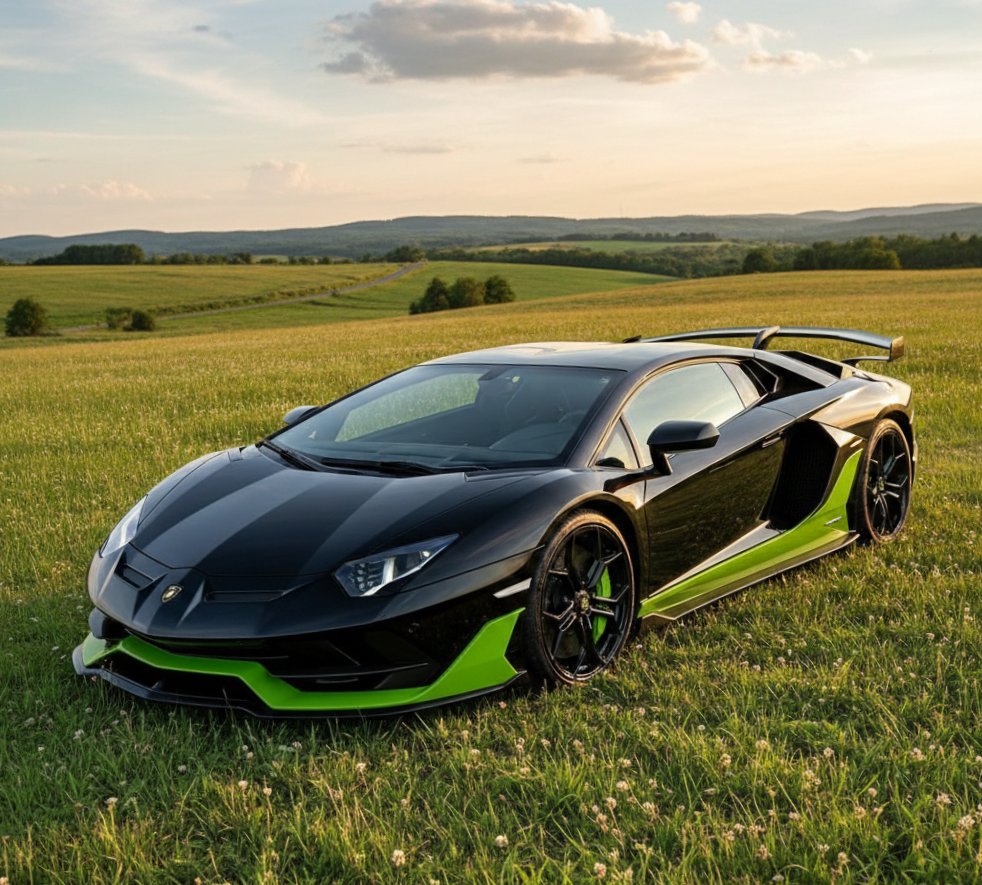
The legendary Lamborghini Aventador SVJ may be six years old, but can it still dominate today’s modern supercars? In this thrilling comparison, we explore its roaring V12 engine, extreme aerodynamics, lightning-fast acceleration, and track-focused performance against the latest high-tech rivals.
Discover whether the raw, naturally aspirated power of the SVJ can outshine newer turbocharged and hybrid supercars in 2026. Is this iconic raging bull still a true king of speed, or have modern innovations finally taken the crown? Dive in to find out if the SVJ remains an untouchable beast.
Introduction
Imagine flooring the throttle in a screaming V12 monster, the wind whipping past as you carve through corners like a predator on the hunt. That’s the Lambo SVJ in a nutshell—a car that redefined track dominance when it debuted in 2018.
But fast-forward to 2026, and the supercar landscape is electric (literally) with hybrids and EVs pushing boundaries. Can the Lambo SVJ, now a six-year-old icon, still hold its own against today’s tech-heavy challengers? Let’s dive in and find out, blending raw specs, track tales, and a dash of real-world grit.
Table of Contents
The Legacy of the Lambo SVJ
The Lambo SVJ isn’t just a car; it’s a statement. Short for Super Veloce Jota, it builds on the Aventador’s wild DNA with active aerodynamics, all-wheel drive, and a naturally aspirated 6.5-liter V12 that howls like nothing else. When Lamborghini unleashed it, the Lambo SVJ shattered the Nürburgring production car record with a blistering 6:44.97 lap time. That feat came from clever engineering like ALA 2.0 (Aerodinamica Lamborghini Attiva), which channels air for downforce without drag.
But legacy isn’t just about numbers. Owning a Lambo SVJ feels like commanding a fighter jet on wheels. From personal anecdotes shared on platforms like X, drivers rave about its raw emotion— the exhaust note that echoes off canyon walls, the scissor doors that turn heads everywhere. Yet, in an era of silent EVs and hybrid efficiency, does this analog brute still reign supreme?

Lamborghini Aventador SVJ |
Key Specs of the Lambo SVJ
At its core, the Lambo SVJ packs 770 horsepower and 531 lb-ft of torque from that glorious V12. It hits 0-60 mph in about 2.8 seconds, tops out over 217 mph, and weighs around 3,788 pounds with all-wheel drive and a 7-speed ISR transmission. Fuel economy? A thirsty 9 mpg city/15 highway, but who cares when you’re blasting to 8,500 rpm?
Reliability-wise, the Lambo SVJ holds up better than its exotic badge suggests. Owners report solid long-term performance if maintained properly, though costs sting—annual services can run $1,000+, and parts like brakes hit five figures. One X user described a track day where the Lambo SVJ devoured corners without breaking a sweat, praising its four-wheel steering for razor-sharp handling.
Modern Contenders: The New Guard
The supercar world has evolved rapidly since the Lambo SVJ’s debut. Hybrids and EVs now blend power with efficiency, often outpacing pure ICE machines in straight lines. Here’s how four heavy-hitters stack up.
Ferrari SF90 Stradale
Ferrari’s plug-in hybrid beast combines a 4.0-liter twin-turbo V8 with three electric motors for 986 hp and 590 lb-ft. It’s quicker off the line (0-60 in ~2.5 seconds) and tops 211 mph, but weighs more at 3,889 pounds. On track, the SF90’s e-AWD and torque vectoring give it an edge in corners, though some say it lacks the Lambo SVJ’s soulful scream.
In head-to-head drags, the SF90 often pulls ahead, but the Lambo SVJ fights back with its raw V12 drama. Ownership? Ferrari’s hybrid tech adds complexity, but it’s reliable for daily use—if you can afford the $439,000 price tag.
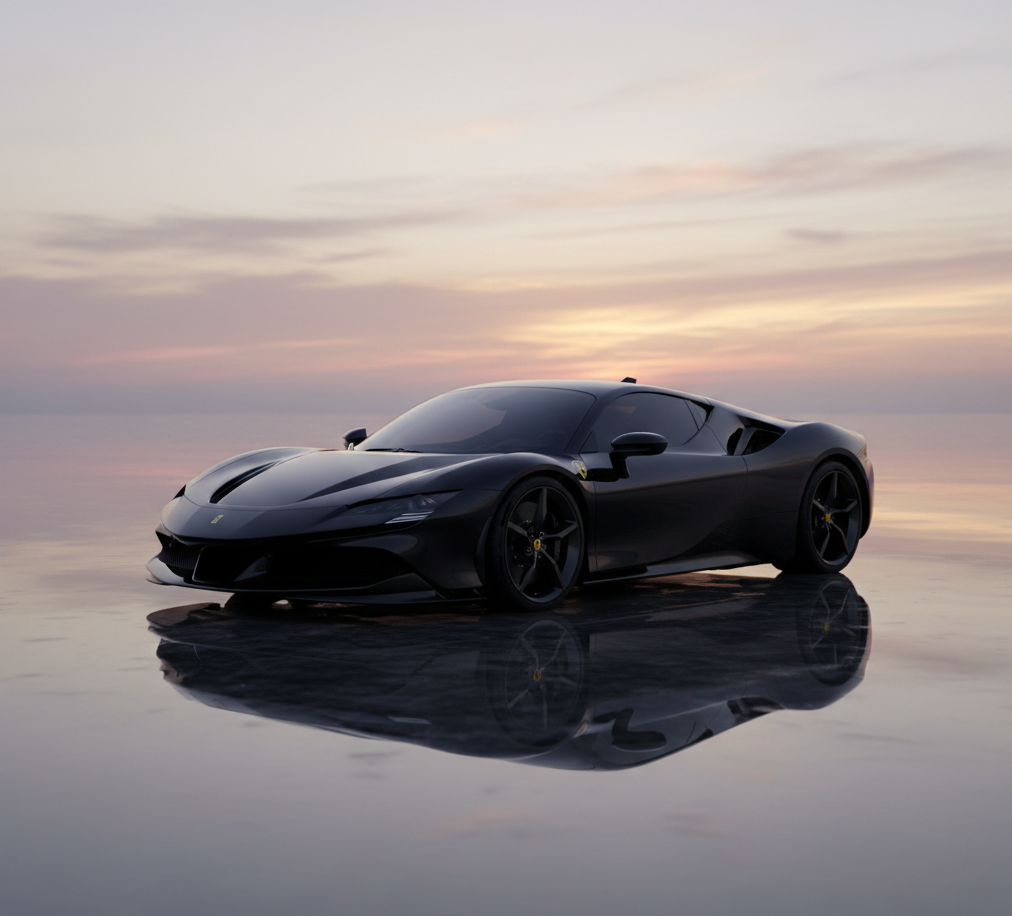
2021 Ferrari SF90 Stradale Assetto Fiorano |
McLaren 765LT
McLaren’s track-focused terror boasts 755 hp from a 4.0-liter twin-turbo V8, with 590 lb-ft and a featherweight 3,016-pound curb weight. It sprints to 60 mph in under 3 seconds and maxes at 205 mph. The 765LT’s rear-wheel drive and advanced suspension make it a corner-carving machine, often lapping faster than the Lambo SVJ in real-world tests.
X posts from track days highlight the 765LT’s agility: “It dances where the Lambo SVJ powers through.” But the McLaren’s turbo lag can feel less immediate than the Lambo SVJ’s naturally aspirated punch. Costs are similar—high, but rewarding for enthusiasts.
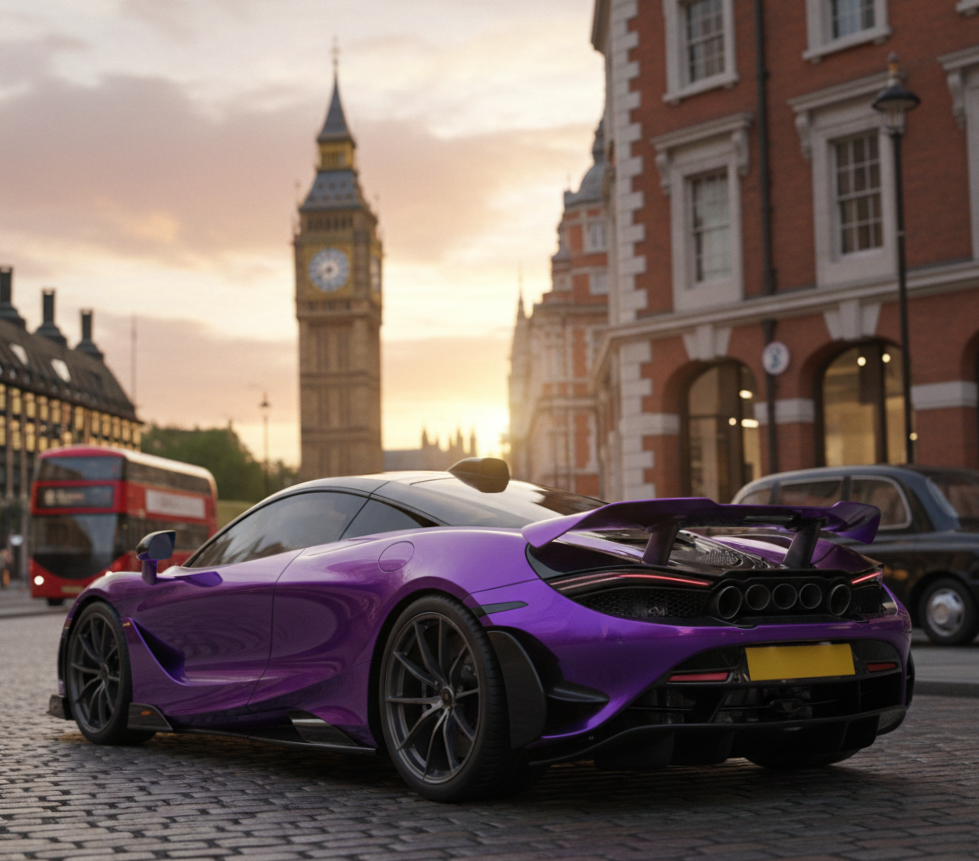
Used 2021 McLaren 765LT Only 2K Miles! Huge MSRP! Stunning Myan Orange! Carbon Fiber Interior Pack! For Sale (Sold) | Chicago Motor Cars Stock #SC1329
Porsche 911 GT3 RS (2023)
Porsche’s naturally aspirated flat-six delivers “just” 513 hp, but with insane aero (up to 1,895 pounds of downforce) and a 3,243-pound weight, it’s a track weapon. 0-60 in 3.2 seconds, top speed 184 mph, and a Nürburgring time of 6:44.85—barely edging the Lambo SVJ’s 6:44.97.
The GT3 RS shines in usability: rear-wheel drive, PDK transmission, and a rev-happy engine to 9,000 rpm. Owners on X call it “telepathic” on twisty roads, where the Lambo SVJ’s size can feel cumbersome. At $241,300, it’s “affordable” by supercar standards, with strong reliability.
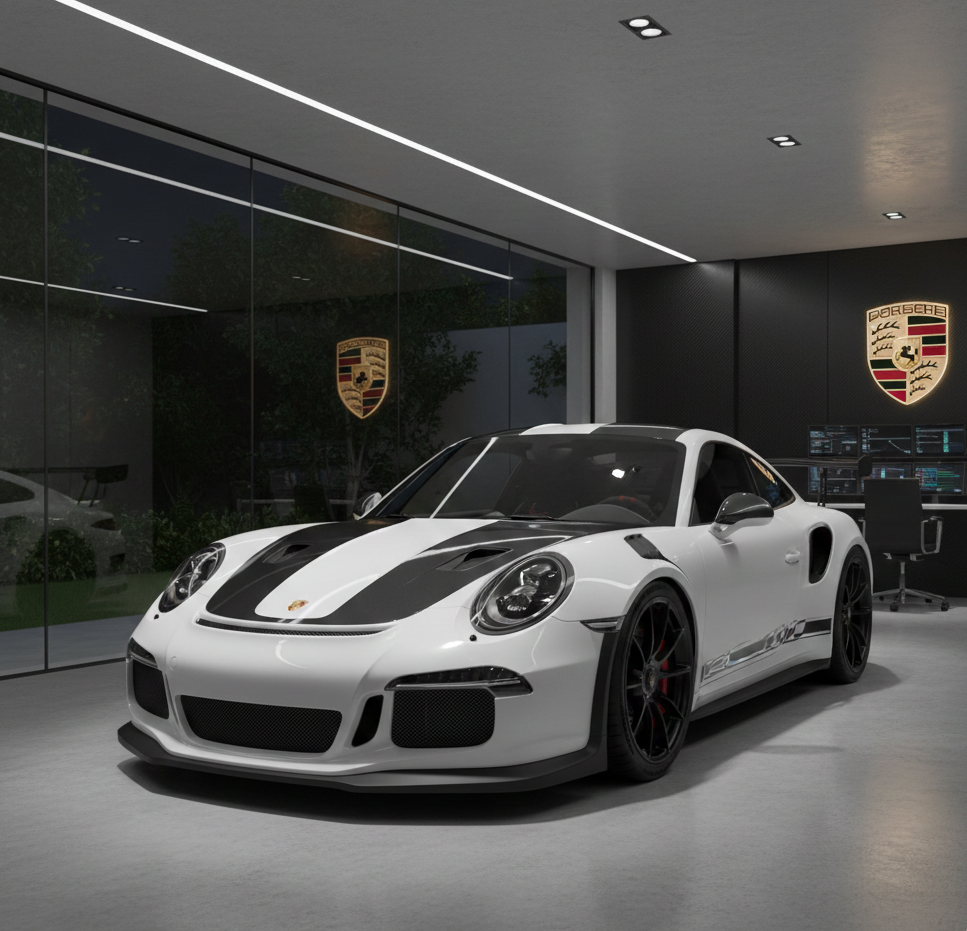
2023 Porsche 911 GT3 RS
Rimac Nevera
Enter the electric age: The Nevera packs 1,914 hp from four motors, rocketing to 60 mph in 1.74 seconds and topping 258 mph. At 4,740 pounds, it’s heavy, but torque vectoring makes it handle like a dream. It shattered 23 records in one day, including 0-186 mph in 9.22 seconds.
Against the Lambo SVJ, the Nevera dominates straights but misses the V12’s theater. X users note its silent fury: “Like a rocket, but no soul.” Priced at $2.5 million, it’s for future-forward buyers, with charging infrastructure still a hurdle.
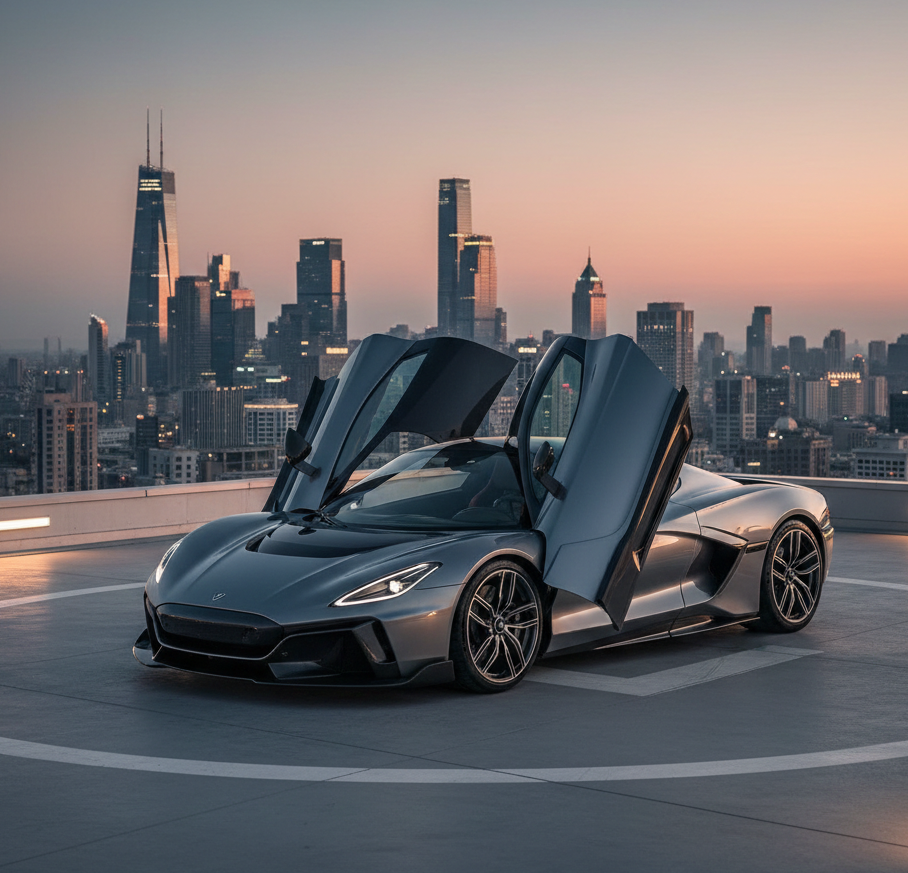
Rimac Nevera is an electric hypercar that goes from 0-60 mph in 1.85 seconds
Performance Comparisons: Numbers Tell the Tale
Let’s break it down with a side-by-side look at the key metrics. While the Lambo SVJ holds strong in emotional appeal, modern rivals often edge it in pure speed.
| Car Model | Horsepower | 0-60 mph (sec) | Top Speed (mph) | Nürburgring Lap (min:sec) | Weight (lbs) | Price (approx.) |
|---|---|---|---|---|---|---|
| Lambo SVJ | 770 | 2.8 | 217+ | 6:44.97 | 3,788 | $515,000 |
| Ferrari SF90 | 986 | 2.5 | 211 | N/A (est. faster) | 3,889 | $439,000 |
| McLaren 765LT | 755 | 2.9 | 205 | 7:00 (est.) | 3,016 | $375,000 |
| Porsche GT3 RS | 513 | 3.2 | 184 | 6:44.85 | 3,243 | $241,300 |
| Rimac Nevera | 1,914 | 1.74 | 258 | N/A (est. sub-7:00) | 4,740 | $2,500,000 |
From this table, the Lambo SVJ’s V12 power shines in top speed and that iconic lap time, but hybrids like the SF90 add electric torque for quicker launches. The GT3 RS proves aero trumps raw hp on tracks, while the Nevera’s EV might makes it untouchable in acceleration.
In real tests, like those on X, the Lambo SVJ often matches or beats expectations against newer cars in mixed conditions—rainy tracks where its AWD grips better than RWD rivals.
Real-World Insights and Ownership Experiences
Beyond specs, what do owners say? From X threads on “Lambo SVJ track day experiences,” one user shared: “Pushed it hard at Laguna Seca—ALA aero kept it planted, no drama.” Another noted reliability: “50k miles, only routine maintenance. Costs $10k/year, but worth every penny.”
Compared to modern supercars, the Lambo SVJ’s ownership is analog-simple: No battery worries like the SF90 or Nevera. But fuel and tires add up—expect $4,000+ in gas annually if driven often. X posts on “Lambo SVJ vs modern supercars” echo this: “The SVJ feels alive; EVs are clinical.”
A fresh perspective: In 2026, with EVs rising, the Lambo SVJ represents the last gasp of pure V12 passion. One owner quipped, “It’s not about beating them—it’s about the thrill they can’t replicate.”
Unique Perspectives: Beyond the Numbers
Here’s where the Lambo SVJ pulls ahead in intangibles. Modern supercars like the Nevera are engineering marvels, but they lack the emotional punch. Picture this: Cruising Agra’s streets in a Lambo SVJ—heads turn, conversations start. It’s not just transport; it’s art.
Ownership costs highlight this: The Lambo SVJ depreciates less than hybrids, holding value as a collector’s item. And in daily use? Surprisingly versatile, with enough ground clearance for speed bumps, unlike low-slung track toys.
A personal twist: If I were choosing, the Lambo SVJ’s V12 symphony wins over silent speed. It’s like vinyl vs streaming—both great, but one feels timeless.
The Verdict: Does the Lambo SVJ Still Hold Up?
Absolutely, but with caveats. On pure performance, modern rivals like the Rimac Nevera smoke it in straights, and the GT3 RS edges it on tracks. Yet, the Lambo SVJ’s blend of power, aero, and drama keeps it competitive. In 2026 releases, cars like the McLaren W1 or Ferrari’s EV SUV push further, but the Lambo SVJ endures as a benchmark for passion.
If you’re chasing records, go modern. For soul-stirring drives? The Lambo SVJ reigns.
What do you think—can the Lambo SVJ beat the newcomers, or is it time for an upgrade? Share your thoughts in the comments, check out related posts on supercar evolutions, or subscribe for more deep dives. Drive safe!
1 thought on “Lambo SVJ vs Modern Supercars: Can This 6-Year-Old Beast Still Dominate?”