
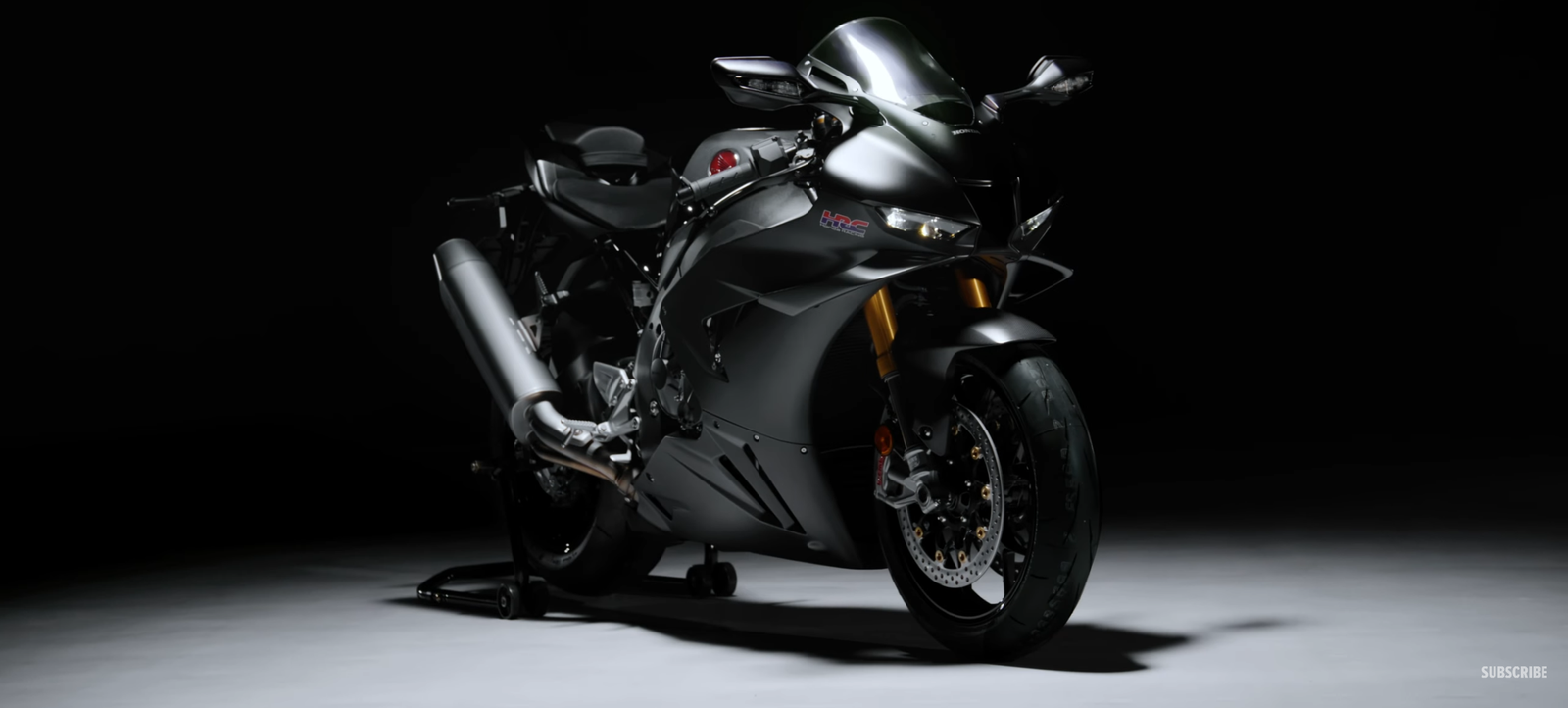
Description: Discover the 2026 Honda CBR1000RR Fireblade. Experience its speed and power. Check out special features in this review. It’s great for superbike fans who want track performance.
Table of Contents
Imagine opening the throttle wide on a sunny racetrack. The world blurs as you navigate corners with ease. The Honda CBR1000RR Fireblade has a magnetic appeal. It’s more than a motorcycle; it’s an engineering marvel that redefines speed. In this 2026 review, we will explore its thrilling performance and modern tech. We will compare it to rivals and share insights from real rides that go beyond specs.
Unleashing the Beast: Engine and Performance
The 2026 Honda CBR1000RR Fireblade has a 1000cc engine. It is a liquid-cooled, inline four-cylinder type. This powerhouse draws from Honda’s MotoGP heritage, producing an impressive 217 horsepower. This makes it a leader in its class. The bore and stroke are the same as the RC213V racebike: 81mm x 48.5mm. This setup optimises cylinder filling for quick acceleration.
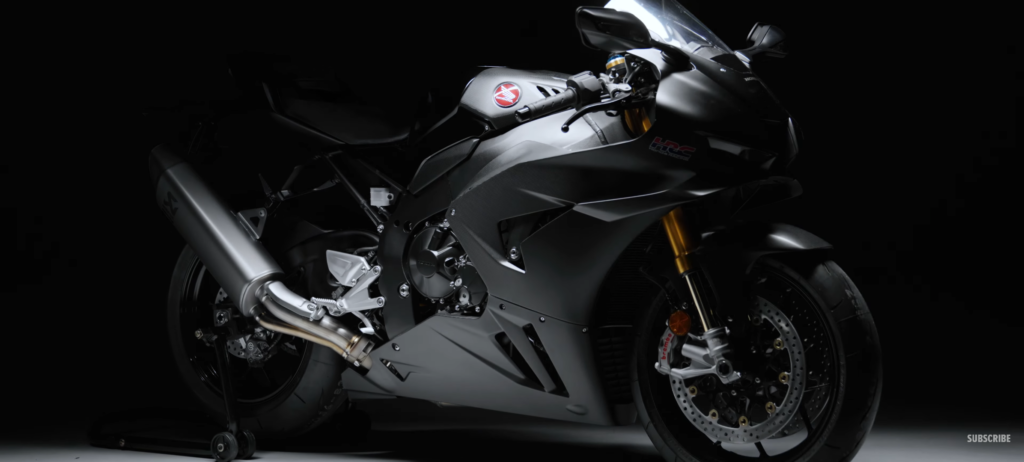
Power delivery is smooth. It’s fierce, too. This comes from the dual-stage fuel injection (DSFI) system. This ensures quick throttle response throughout the rev range. Peak torque hits around 113 Nm, providing pull from low RPMs to redline. It goes from 0 to 60 mph in under 3 seconds. Its top speed is over 186 mph. These numbers promise fun on the road or track.
What sets this engine apart is its compact design. Honda has made the front-to-back size smaller. This helps with weight distribution. It also improves agility. Power remains unchanged. This allows for quicker revs and less inertia, maximising every ounce of power. The car has a six-speed manual transmission and a quick shifter. Gear changes are smooth. This is true when you’re speeding on straightaways or downshifting into corners.
Cutting-edge features and technology
The 2026 Honda CBR1000RR Fireblade is powerful. It also has tech that makes riding better. The Öhlins third-generation NPX Smart-EC suspension uses electronic controls. It adjusts damping in real time. This reduces pitch and improves bump absorption for precise handling. At the front, a 43mm inverted fork gives 4.9 inches of travel. The rear Pro-Link Öhlins TTX36 shock provides 5.6 inches. This setup is ideal for handling bumps on the track.
Braking is great. It features 330 mm front discs. Brembo Stylema calipers grip these. They’re the same as those on the RC213V-S MotoGP bike. This system offers great stopping power and a smooth feel. You can also add Gyro-Assisted ABS for extra confidence when braking hard.
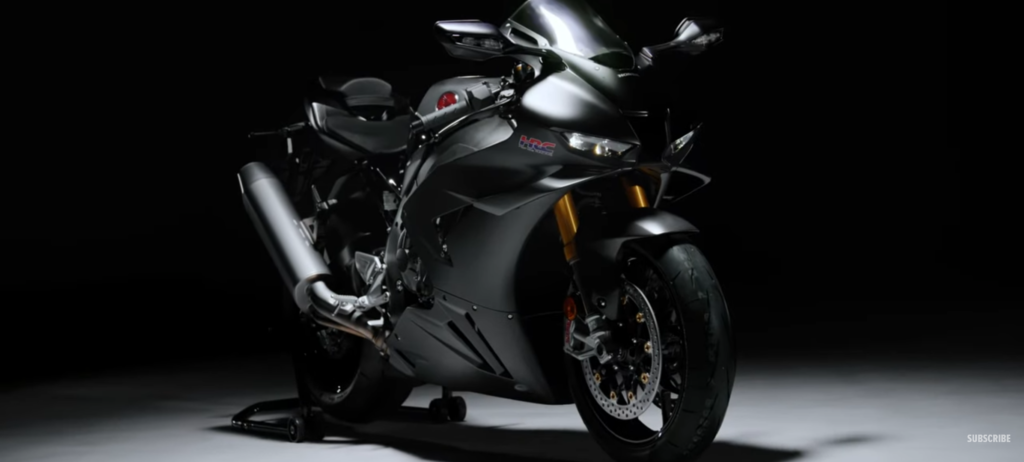
The electronic systems impress as well. Honda’s Selectable Torque Control (HSTC) offers ten levels of intervention. You can customise modes for power. It also lets you adjust torque, engine braking, and wheelie control. Riders can select from five power curves. They can use Standard for roads and Track for aggressive laps. The full-colour TFT display is easy to use. It shows gear position and lap times, among other things. It also has winglets. These are aerodynamic and create downforce. This helps stability at high speeds.
Today, strict emissions rules shape the industry. Honda uses MotoGP technology to improve performance. This shows their focus on sustainability. For example, they have better combustion that cuts fuel waste. This makes the Fireblade a smart choice for eco-conscious speed lovers.
Comparison with Rivals: How Does It Stack Up?
The superbike market is very competitive. The 2026 Honda CBR1000RR Fireblade goes up against top bikes. These include the Yamaha YZF-R1, Suzuki GSX-R1000, and Kawasaki Ninja ZX-10R. Let’s break it down.
The Honda stands out in horsepower and tech, giving it an edge in track performance. The Yamaha provides a more emotional ride. Its unique engine sound attracts those who prefer feeling over figures. People know the Suzuki GSX-R1000 for its affordability and power. The Kawasaki ZX-10R stands out in lap times because of its balanced chassis.
The Honda comes with a high price due to its MotoGP heritage. But, it provides more versatility for both street and track use than its competitors. For deeper insights into superbike competition, check out this extensive spec comparison.
| Feature | Honda CBR1000RR Fireblade | Yamaha YZF-R1 | Suzuki GSX-R1000 | Kawasaki Ninja ZX-10R |
|---|---|---|---|---|
| Engine | 1000cc inline-four, 217 hp, 113 Nm | 998cc inline-four, 200 hp, 113 Nm | 999cc inline-four, ~200 hp, 110 Nm | 998cc inline-four, 200 hp, 111 Nm |
| Weight (Curb) | 432 lbs | 448 lbs | 443 lbs | 456 lbs |
| Suspension | Öhlins NPX Smart-EC | KYB electronic | Showa adjustable | Showa Balance Free |
| Brakes | Brembo Stylema, 330mm discs | Nissin radial, 320mm discs | Brembo radial, 320mm discs | Brembo M50, 330mm discs |
| Price (Base MSRP) | $28,999 | $18,000 | $16,000 | $17,500 |
| Top Strengths | Highest power, MotoGP aero, premium electronics | Emotional ride, crossplane crank sound | Raw character, value | Track-focused agility, quick revs |
Real Riding Experience: On Track and Road
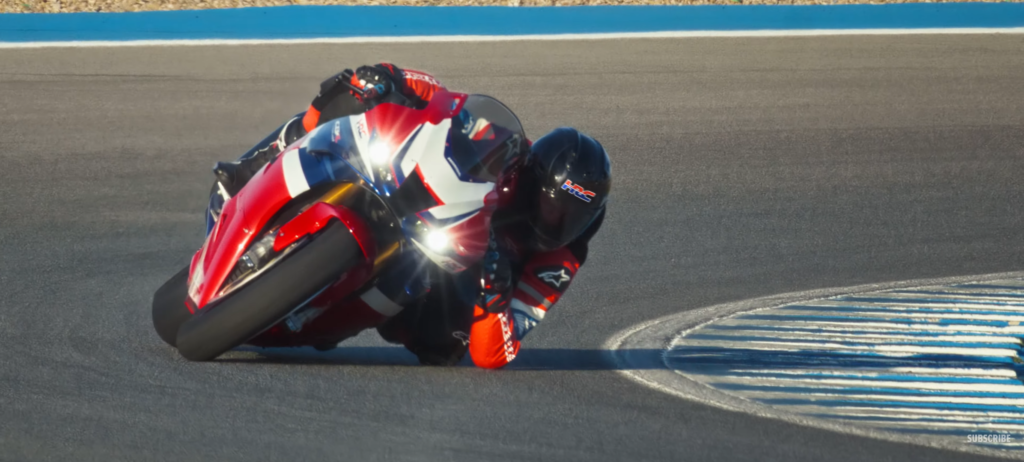
Getting on the 2026 Honda CBR1000RR Fireblade feels like gearing up for a challenge. The 32.7-inch seat height and compact chassis (57-inch wheelbase) provide an aggressive but manageable posture. Clip-ons encourage a leaned-forward riding position. On track, it shines—the longer swingarm boosts traction, allowing confident exits from corners without spinning the wheel. I recall a practice session where the electronics smoothly managed wheelies, letting me focus on my racing line.
Switch to road mode, and the Fireblade shows its more civilized side. In Standard mode, power is dialled back for winding backroads, where the suspension easily handles potholes. Yet, twisting the throttle brings back its intensity—overtaking feels almost effortless, with the exhaust note shifting from a purr to a roar. Wind protection is decent, thanks to its aerodynamic design, reducing fatigue on longer rides.
During a thrilling canyon ride, the bike’s predictability gave me confidence, transforming an average rider into a superstar. However, it struggles with heat management in traffic, with the engine radiating warmth—a common issue for superbikes. Overall, it’s not just fast; it’s intuitive, blending tech with tactile feedback for a captivating experience.
Pros and Cons at a Glance
Pros
- Unmatched 217 hp power output
- Advanced Öhlins electronic suspension
- MotoGP-inspired aerodynamics and brakes
- Customisable riding modes for versatility.
Cons
- Premium price tag at £28,999.
- Aggressive ergonomics may cause fatigue on long rides.
- Higher heat emissions in stop-and-go traffic.
- Less emotional engine character than Yamaha.
Conclusion: Is the 2026 Honda CBR1000RR Fireblade worth it?
The 2026 Honda CBR1000RR Fireblade represents the pinnacle of superbike design, blending speed, power, and innovative features for both track and street use. Its unique MotoGP-inspired technology offers fresh insights into performance. This makes it more than just a bike; it is a leap forward. While competitors like the Yamaha R1 deliver emotion and the Kawasaki ZX-10R focus on agility, the Fireblade’s combination of refinement and power truly sets it apart.
1 thought on “Honda CBR1000RR Fireblade Review 2026: Speed, Power, Features, and Real Riding Experience”