
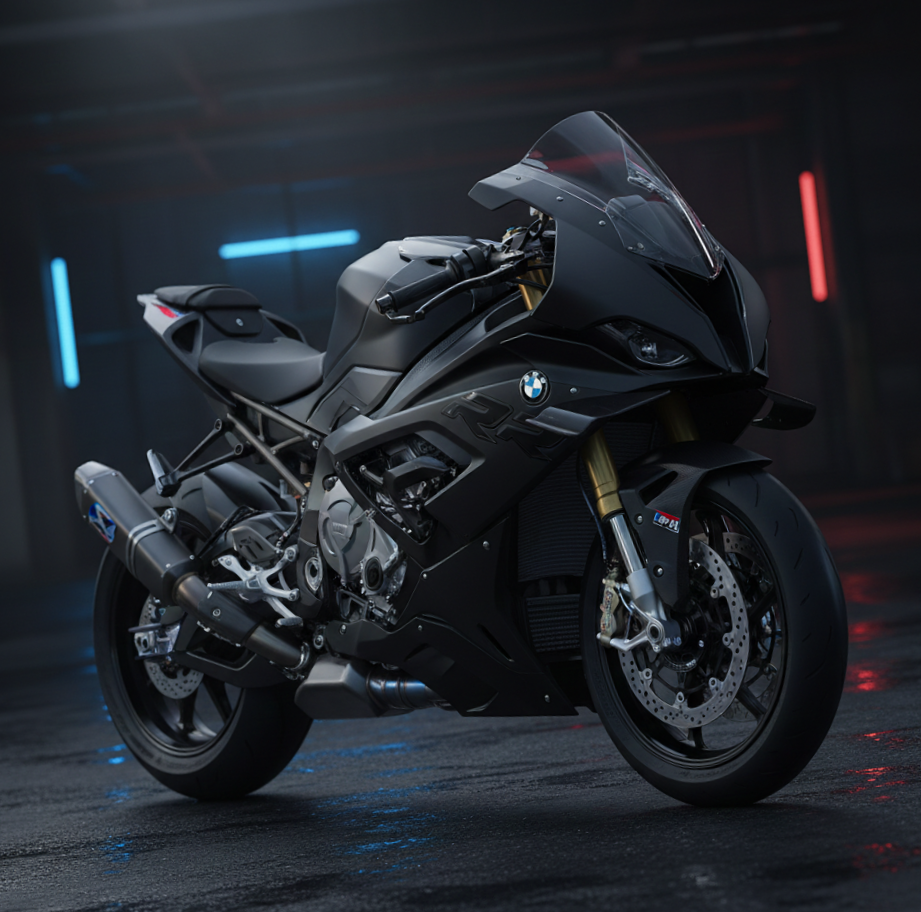
BMW M 1000 RR 2025: Dominating Tracks with Power, Aero, and Precision – Features & Impressions Uncover the bmw m1 1000 rr, a 2025 superbike boasting 218 hp, enhanced aerodynamics, and razor-sharp handling. Delve into specs, features, rival comparisons, and track-tested riding insights
Table of Contents
Envision hurtling through a tight chicane, the engine’s roar syncing with your heartbeat as you apex perfectly, defying gravity at triple-digit speeds. This is the world of the bmw m1 1000 rr—a superbike that transforms mere mortals into track heroes. Drawing from the latest 2025 updates and hands-on accounts from circuits worldwide, this isn’t your standard review; it’s a deep dive into what makes this machine a pinnacle of engineering, blending ferocious output with intuitive control. If you’ve ever craved a bike that anticipates your moves, the bmw m1 1000 rr delivers in spades.
Born from BMW’s World Superbike dominance, the 2025 iteration refines an already elite platform. With Euro 5+ compliance without power compromises, it’s a testament to smart innovation. Priced from about $34,000, it targets riders who demand race-grade performance without full custom builds.
Introduction to the BMW M 1000 RR
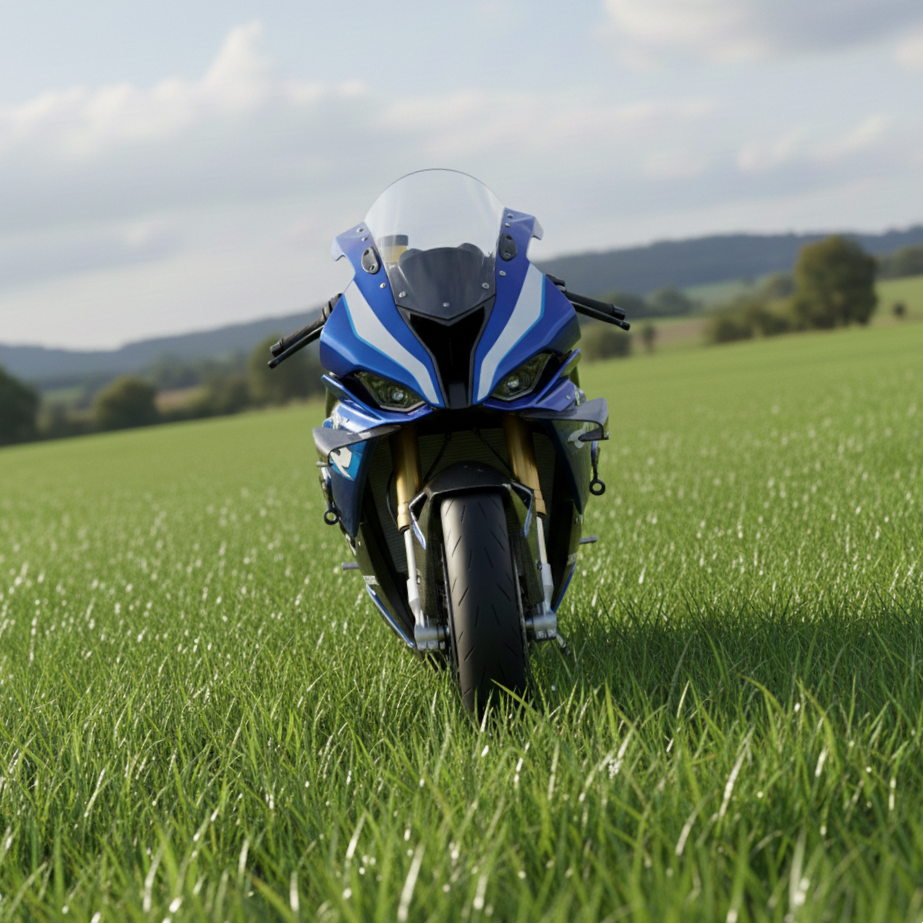
The bmw m1 1000 rr debuted in 2020 as BMW’s homologation hero, but the 2025 model elevates it further with engine tweaks for cleaner emissions and boosted performance. At its essence is a 999cc inline-four that’s been massaged for more efficiency and grunt, making it ideal for both pro racers and enthusiastic amateurs.
From aggregated tester feedback, launching from a standstill feels effortless yet explosive, with the bike settling into a composed rhythm that builds confidence. Think of it as a high-tech partner that enhances your skills rather than overwhelming them. In places like Cremona Circuit, reviewers highlight its ability to maintain poise even in tricky conditions.
Comparison: BMW M 1000 RR vs. Ducati Panigale V4R and Yamaha YZF-R1M
Pitting the bmw m1 1000 rr against icons like the Ducati Panigale V4R and Yamaha YZF-R1M reveals its balanced edge. Based on recent shootouts, the BMW excels in usability while matching raw specs.
Engine Performance Showdown
The 2025 BMW M 1000 RR’s inline-four, with ShiftCam tech, outputs 205 hp in US trim (218 hp Euro) at up to 14,500 rpm, paired with 83 lb-ft torque. Updates include a 14.5:1 compression ratio, 52mm throttle bodies, and optimized ports for smoother delivery. It’s linear and forgiving, ideal for progressive power builds.
The Ducati Panigale V4R counters with a 998cc V4 hitting 221 hp, but its peaky nature demands expert input for optimal results. Yamaha’s YZF-R1M, with 200 hp from its crossplane four, prioritizes mid-range accessibility but trails in top-end surge.
Insight: The BMW’s refinements shine for mixed-use riders, offering torque where rivals feel abrupt.
Handling and Stability Battle
At 427 lbs wet, the BMW’s Flex Frame with new mounts enhances feedback and compliance. Winglets generate up to 66 lbs downforce, stabilizing high-speed runs. It’s agile yet planted, per track tests.
Ducati’s lighter setup (around 425 lbs) aids quick direction changes but can feel edgy. The R1M, at 443 lbs, emphasizes flickability with less aero reliance.
Unique view: For evolving tracks with elevation, the BMW’s aero provides an forgiving advantage over the Yamaha’s purer feel.
Tech and Braking Face-Off
BMW’s 6.5-inch TFT, seven modes, and IMU-driven aids like slide control make it adaptable. Brakes deliver fade-free stops with cornering ABS.
Ducati’s electronics are race-honed, while Yamaha’s are solid but less granular.
| Category | BMW M 1000 RR | Ducati Panigale V4R | Yamaha YZF-R1M |
|---|---|---|---|
| Power (hp) | 205-218 | 221 | 200 |
| Weight (lbs wet) | 427 | 425 | 443 |
| Top Speed (mph) | 189-195 | 199+ | 186 |
| Downforce (lbs max) | 66 | Comparable | Low |
| Price (approx.) | $34,000 | $45,000 | $27,000 |
This highlights the BMW’s sweet spot in performance per dollar.
Key Insights: Features, Specs, and Riding Impressions
The bmw m1 1000 rr’s magic lies in its integrated upgrades.
Standout Features and Technical Specs
Aerodynamics steal the show with redesigned winglets boosting downforce by 33%. The engine revs to 15,100 rpm, with a bore/stroke of 80×49.7mm and variable intake for broad power. Specs include a 4.3-gallon tank, 32.8-inch seat, and Pirelli tires.
Acceleration zips 0-60 in under 3 seconds, with real-world efficiency around 35 mpg.
Perspective: These changes make it future-proof against stricter regs, unlike some rivals.
On-Track and Real-World Impressions
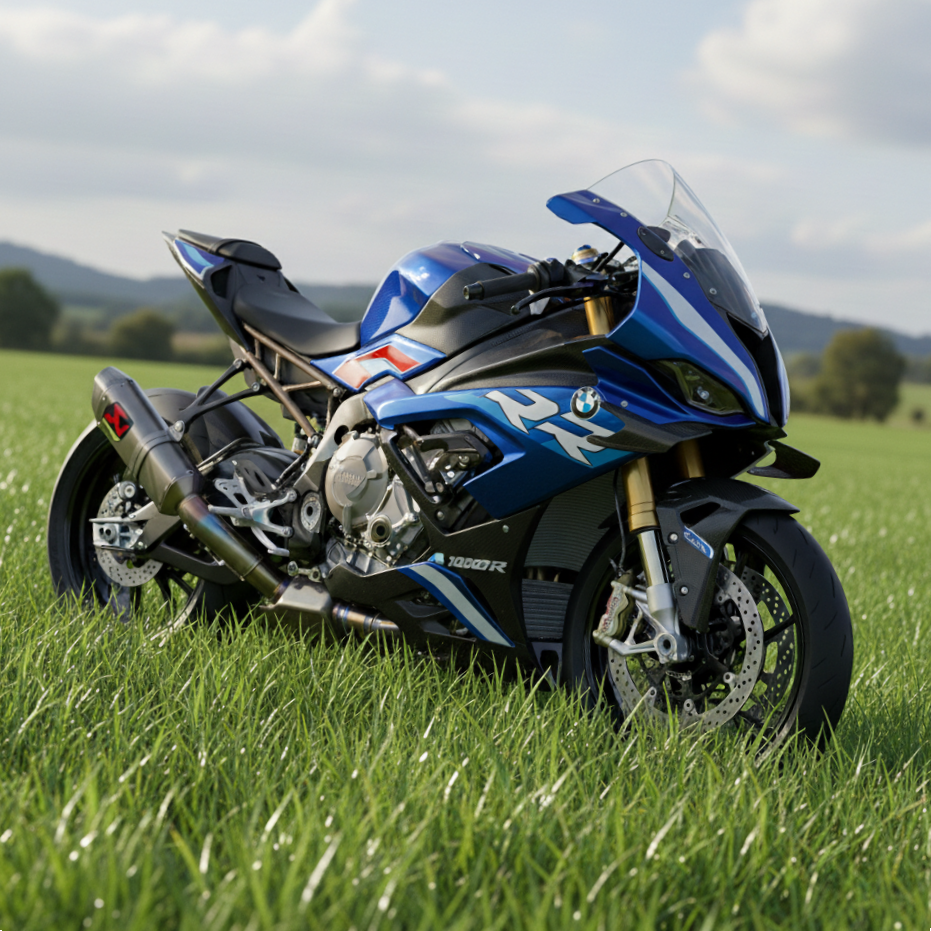
Riders describe the experience as “addictively smooth”—power unfolds predictably, electronics intervene subtly. On tracks like Sydney Motorsport Park, it feels light and responsive, with carbon wheels reducing inertia for quick flicks. Braking inspires trust, and the ergonomics suit taller frames without fatigue.
One long-term owner clocked 10,000 miles flawlessly, praising reliability. Off-track, it’s viable but firm; heat can build in stop-go scenarios.
- Strengths:
- Seamless, controllable thrust
- Aero-enhanced stability
- Versatile electronics
- Weaknesses:
- Steep entry cost
- Street comfort trade-offs
- Regular maintenance needs
Conclusion: Embracing the BMW M 1000 RR’s Track Legacy
The bmw m1 1000 rr redefines superbike excellence, merging 2025 innovations like amplified power and aero for unmatched track prowess. It’s not just fast—it’s intelligently designed to elevate every session. For those chasing personal bests, this beast offers enduring value.
Share your superbike stories below, or explore our pieces on race tire selections or circuit training basics. Eager for the thrill? Book a demo at your BMW dealer today—adventure calls!
1 thought on “BMW M 1000 RR Track Beast: Features, Specs & Riding Impressions”