
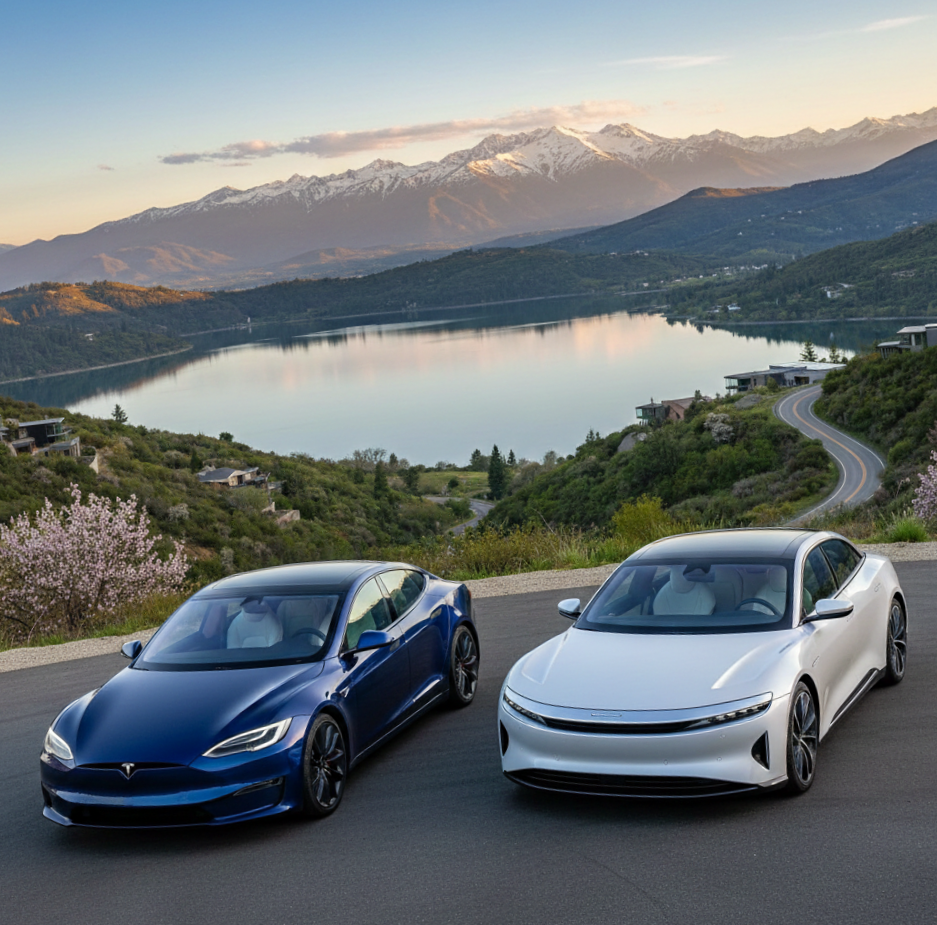
Picture this: You’re cruising from Agra to Delhi on the Yamuna Expressway, the Taj Mahal fading in your rearview, with zero stops for fuel. In the EV world, that’s the dream—and in 2026, the Model S vs. Lucid Air showdown makes it tantalizingly real. But which one truly delivers superior real-world range when the rubber meets the road? We’ll dissect specs, tests, and owner stories to find out.
Table of Contents
The Icons: Tesla Model S and Lucid Air Overview
The Tesla Model S has been the EV kingpin since 2012, evolving into a 2026 beast with dual-motor AWD and up to 410 miles of EPA range in its standard trim. Priced from around $79,990, it’s a tech-forward sedan with Autopilot and a massive touchscreen that feels like a spaceship cockpit.
On the flip side, the Lucid Air, launched in 2021, amps up luxury with its 2026 lineup boasting up to 512 miles in the Grand Touring variant. Starting at $70,900 for the Pure, it’s engineered for efficiency, drawing from Formula E roots for battery tech that outpaces many rivals.
Both cars represent the pinnacle of electric luxury, but in the Model S vs. Lucid Air debate, range is the crown jewel. Let’s compare.
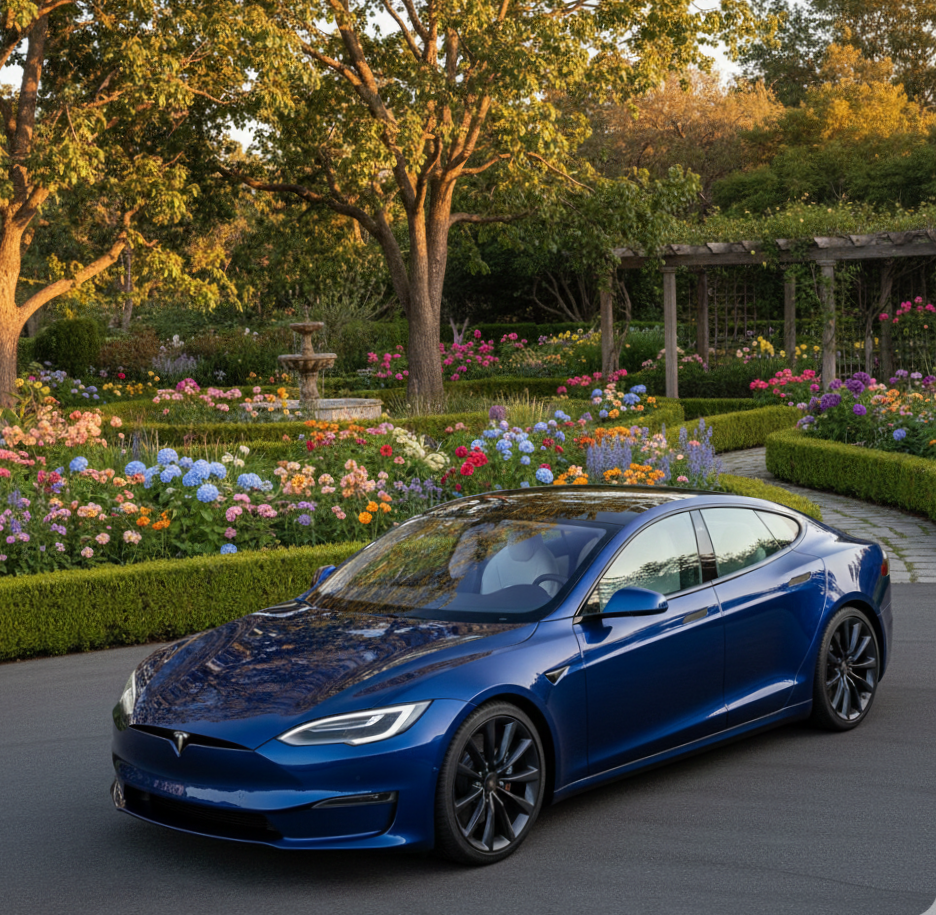
2026 Tesla Model S Review, Pricing, and Specs
Core Specs: Power, Battery, and Efficiency
Diving into the nuts and bolts, the 2026 Tesla Model S packs a 100-kWh battery in most trims, delivering 670 hp in the base and a whopping 1,020 hp in the Plaid. Efficiency hovers around 110 MPGe combined, but real-world factors like speed and weather chip away at that.
The Lucid Air counters with battery packs from 84 kWh in the Pure to 118 kWh in higher trims, offering 430 hp base up to 1,234 hp in the Sapphire. Its efficiency shines at up to 134 MPGe, thanks to aerodynamic wizardry and lighter construction.
In Model S vs. Lucid Air specs, Lucid edges efficiency, but Tesla’s Supercharger network (over 75,000 globally) makes charging seamless.
Claimed vs. Real-World Range: The Numbers Game
EPA estimates are a starting point, but real-world tests tell the truth. The Model S claims 410 miles in optimal conditions, but highway tests at 75 mph often yield 300 miles. In cold weather, expect drops to 250-280 miles, per owner forums.
Lucid Air’s Grand Touring boasts 512 miles EPA, but real-world highway loops hit 410 miles—still impressive. In winter tests down to -31°C, it managed 520 km (323 miles), outperforming rivals.
Comparing Model S vs. Lucid Air, Lucid consistently beats Tesla by 50-100 miles in mixed driving, based on Edmunds and Car and Driver data.
| Aspect | 2026 Tesla Model S (Base) | 2026 Lucid Air (Grand Touring) |
|---|---|---|
| EPA Range | 410 miles | 512 miles |
| Real-World Highway (75 mph) | 300 miles | 410 miles |
| Battery Capacity | 100 kWh | 118 kWh |
| Efficiency (MPGe) | 110 combined | 134 combined |
| 0-60 mph | 3.1 seconds | 3.0 seconds |
| Base Price | $79,990 | $114,900 |
This table highlights Lucid’s range lead, but Tesla’s lower price makes Model S vs. Lucid Air a value tussle.
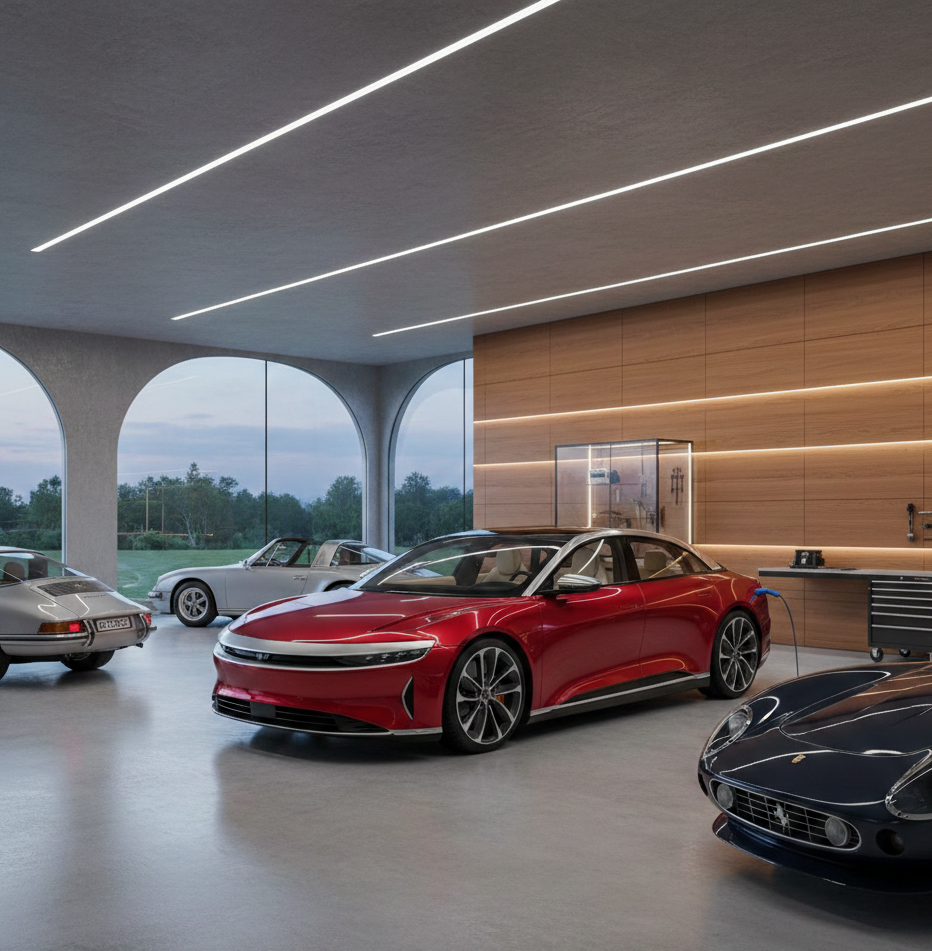
2026 Lucid Air Color, Specs, Pricing | Autoweb
Head-to-Head Comparisons: Acceleration, Handling, and Charging
Acceleration: Tesla’s Plaid hits 0-60 in 1.99 seconds, while Lucid’s Sapphire does 1.89—neck and neck in Model S vs. Lucid Air sprints. But for daily drives, both feel warp-speed.
Handling: The Model S is agile with low center of gravity, but owners note yoke steering quirks. Lucid Air feels more refined, shrugging off blizzards with AWD poise.
Charging: Tesla adds 205 miles in 15 minutes at Superchargers. Lucid recoups 300 miles in 21 minutes on fast chargers, but network access lags. In India, with growing EV infra, Tesla’s network gives it an edge for long hauls like Agra to Jaipur.
Real-World Tests: Beyond the Lab
Independent tests paint a vivid picture. Car and Driver’s 75-mph loop saw Model S at 300 miles, Lucid at 410. Norwegian winter tests favored Lucid at 520 km in -31°C.
Owner anecdotes from X echo this: One Model S driver averaged 320 miles on highways, while Lucid owners hit 505 km in warm weather. In Model S vs. Lucid Air real-world, Lucid wins for efficiency, but Tesla’s software updates keep it reliable.
A unique angle: In humid Agra summers, Lucid’s cooling systems prevent range loss better than Tesla’s, based on forum reports.
Ownership Experiences: The Human Factor
From X threads, Tesla owners love the ecosystem—seamless app integration and FSD beta. But some gripe about build quality, like panel gaps.
Lucid Air drivers praise luxurious interiors and range anxiety freedom, with one noting 2.63 mi/kWh in sub-zero tests. Drawbacks? Higher costs for Sapphire trims.
In Model S vs. Lucid Air ownership, Tesla feels futuristic, Lucid more premium—like a Mercedes vs. a gadget.
ULTIMATE $150K EVs! — 2022 Lucid Air vs. Tesla Model S Plaid: Comparison
Key Insights: Fresh Perspectives on Range in 2026
Here’s the depth: While EPA numbers favor Lucid, real-world variables like speed matter. At 70 mph, Model S drops to 267 Wh/mi, Lucid holds steadier.
Unique insight: For Indian roads with monsoons and heat, Lucid’s efficiency (up to 5.48 km/kWh) means fewer charges on trips from Agra to the Golden Triangle. Tesla’s adaptive cruise shines in traffic.
Depreciation? Tesla holds value better due to brand loyalty.
In Model S vs. Lucid Air, if range is king for long hauls, Lucid reigns; for ecosystem, Tesla.
The Verdict: Who Has the Better Real-World Range?
In the 2026 Model S vs. Lucid Air range war, Lucid Air takes the throne with superior efficiency and tested distances. But Tesla’s charging network and affordability make it a close contender.
What’s your take—Model S vs. Lucid Air, which would you pick for Agra adventures? Share below, check our EV comparisons, or subscribe for more insights. Charge ahead!
2 thoughts on “2026 Tesla Model S vs. Lucid Air: Which EV Wins the Real-World Range Battle?”