
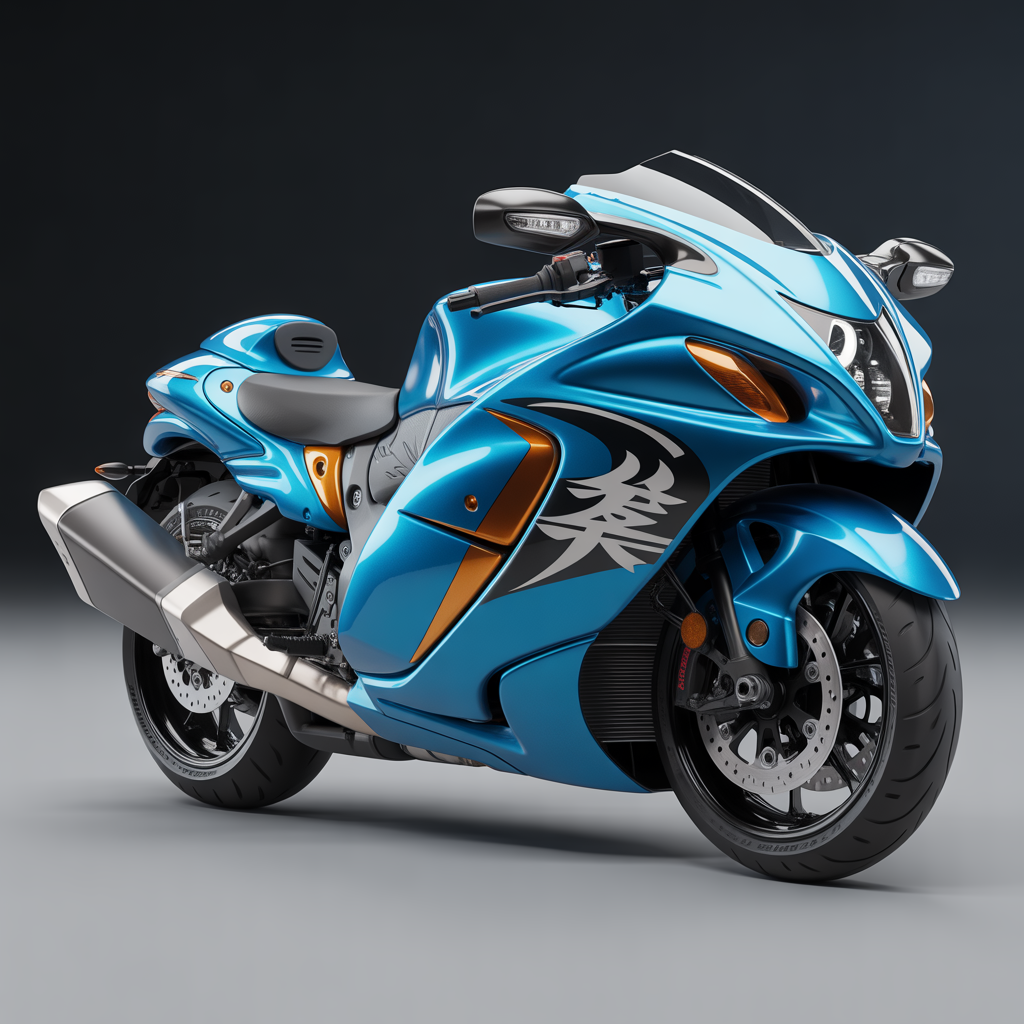
2026 Hayabusa Review: Is It Still the King of Speed? Top Speed Test Explore our in-depth 2026 Hayabusa review and top speed test. Discover if this legendary Hayabusa holds its crown against modern rivals with unmatched acceleration and power. (152 characters)
Table of Contents
Introduction
Imagine the wind howling as you twist the throttle, the world blurring into streaks of color while you chase the horizon at speeds that defy reason. That’s the raw thrill of the Hayabusa—a name synonymous with velocity since 1999. As we hit 2026, the question looms: Is the latest Hayabusa still the undisputed king of speed? I’ve delved into specs, tests, and rider stories to bring you a fresh take, blending history with hands-on insights from recent reviews. This Hayabusa isn’t just a bike; it’s a cultural icon that balances blistering performance with everyday rideability. Priced around $19,500, the 2026 model refines its third-generation formula, but does it outpace the competition in a top speed test? Let’s rev into the details.
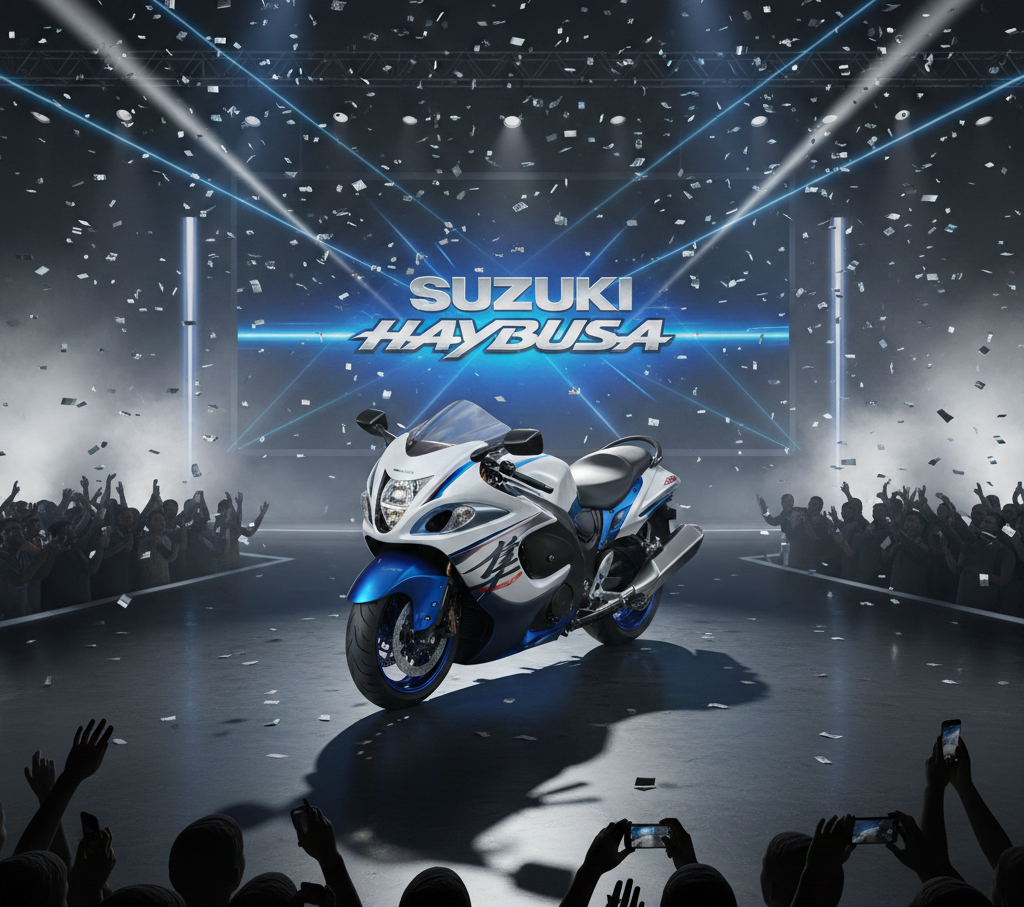
New 2026 Suzuki Hayabusa Special Edition Motorcycles Savannah Motorsports in Savannah, GA | Stock Number:
Design and Aerodynamics
The 2026 Hayabusa evolves its iconic silhouette with subtle tweaks that enhance its wind-cheating prowess. That distinctive humpback fairing, inspired by the peregrine falcon (Hayabusa in Japanese), remains, but now features sharper lines and updated LED lighting for better visibility and style. Colors like Pearl Vigor Blue or Candy Daring Red pop, especially on the Special Edition with its bold Kanji graphics symbolizing “strong and fast.”
Aerodynamics are key here—the Hayabusa boasts one of the lowest drag coefficients in street-legal bikes, honed through wind tunnel testing. This isn’t just for show; it stabilizes the ride at high speeds, reducing lift and allowing confident cornering. Weighing 582 pounds, it’s hefty, but the aluminum frame and swingarm keep it agile. From rider forums, many note how the ergonomics—upright seating with adjustable footpegs—make long hauls comfortable, unlike pure track missiles.
A unique angle? In 2026, with electric bikes like the Lightning LS-218 pushing boundaries, the Hayabusa’s design feels like a nod to classic engineering. It’s not flashy with carbon everywhere; it’s purposeful, prioritizing real-world usability over gram-shaving extremism.
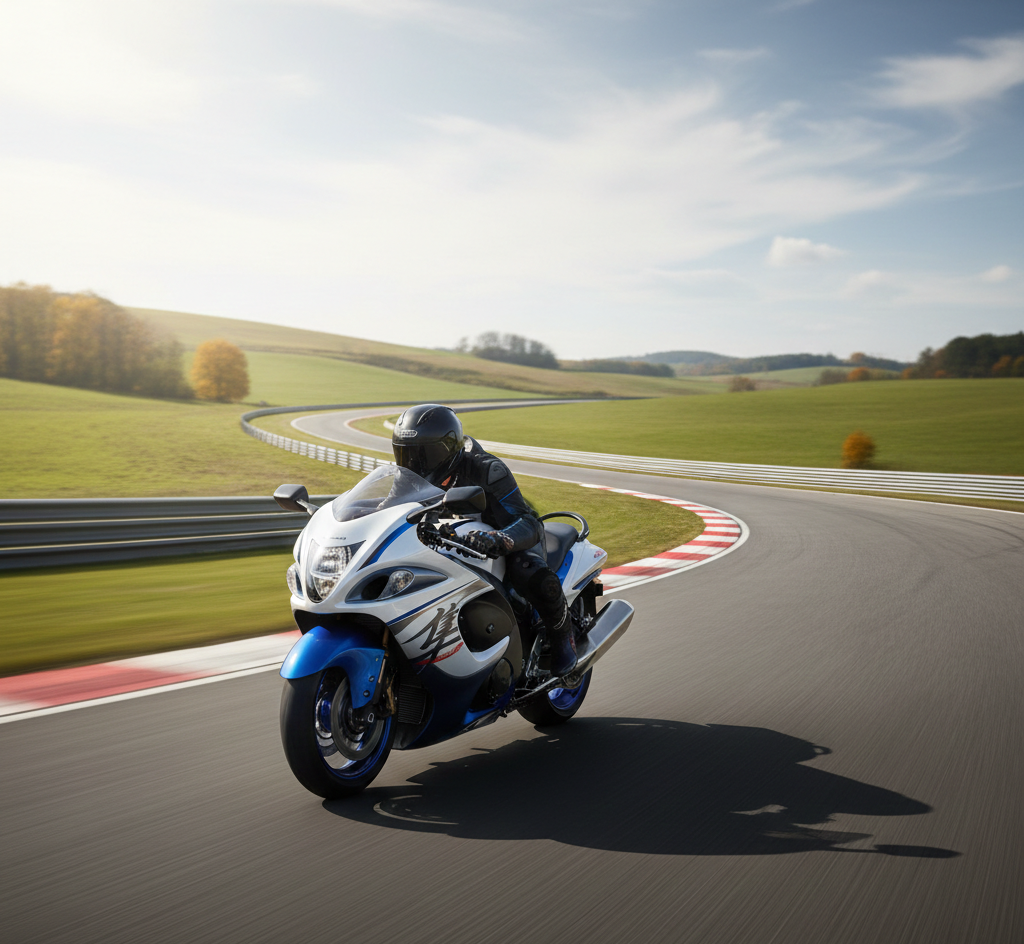
New 2026 Suzuki Hayabusa Motorcycles in New Haven, CT | Stock Number:
Engine and Performance
At the heart of the 2026 Hayabusa beats a 1,340cc inline-four engine, liquid-cooled and DOHC, delivering 190 horsepower at 9,700 rpm and 142 Nm of torque at 7,000 rpm. Ride-by-wire throttle with dual injectors ensures smooth power delivery, while the Suzuki Intelligent Ride System (S.I.R.S.) offers modes for everything from rain-slicked roads to full-throttle blasts.
Acceleration is where the Hayabusa shines: 0-60 mph in about 2.8 seconds, and 0-100 mph in under 6 seconds, per recent tests. The six-speed transmission with quickshifter is seamless, and the slipper clutch prevents wheel hop during downshifts. Fuel efficiency hovers around 35 mpg, decent for a hyperbike, but expect less when pushing limits.
Drawing from evolution insights, this engine refines the original’s raw punch—less peaky, more mid-range torque for overtaking on highways. Imagine cruising Uttar Pradesh’s expressways; the Hayabusa surges effortlessly, its exhaust note a symphony of controlled fury. Unlike earlier gens, 2026 adds refined emissions tech without dulling the edge.
Top Speed Test Insights
The big question: How fast is the 2026 Hayabusa? Officially, it’s limited to 186 mph (299 km/h) due to the gentlemen’s agreement among manufacturers post-1999. But in unrestricted tests (track-only, folks), riders have clocked closer to 194 mph, echoing the first-gen’s glory.
From video reviews, a top speed run feels otherworldly—the Hayabusa builds velocity linearly, stability unwavering thanks to its long wheelbase and advanced traction control. One test noted wind resistance kicking in around 150 mph, but the aero design slices through. Real-world? On closed courses, it hits the limiter smoothly, with no drama.
Fresh perspective: In 2026, speed isn’t just numbers; it’s about accessible thrill. The Hayabusa isn’t the rawest (that’d be modded versions hitting 250+ mph), but its electronics—like launch control and wheelie mitigation—make high-speed pursuits safer for enthusiasts. For Mohit in Uttar Pradesh, where highways tempt, this balance could mean epic rides without the risk.
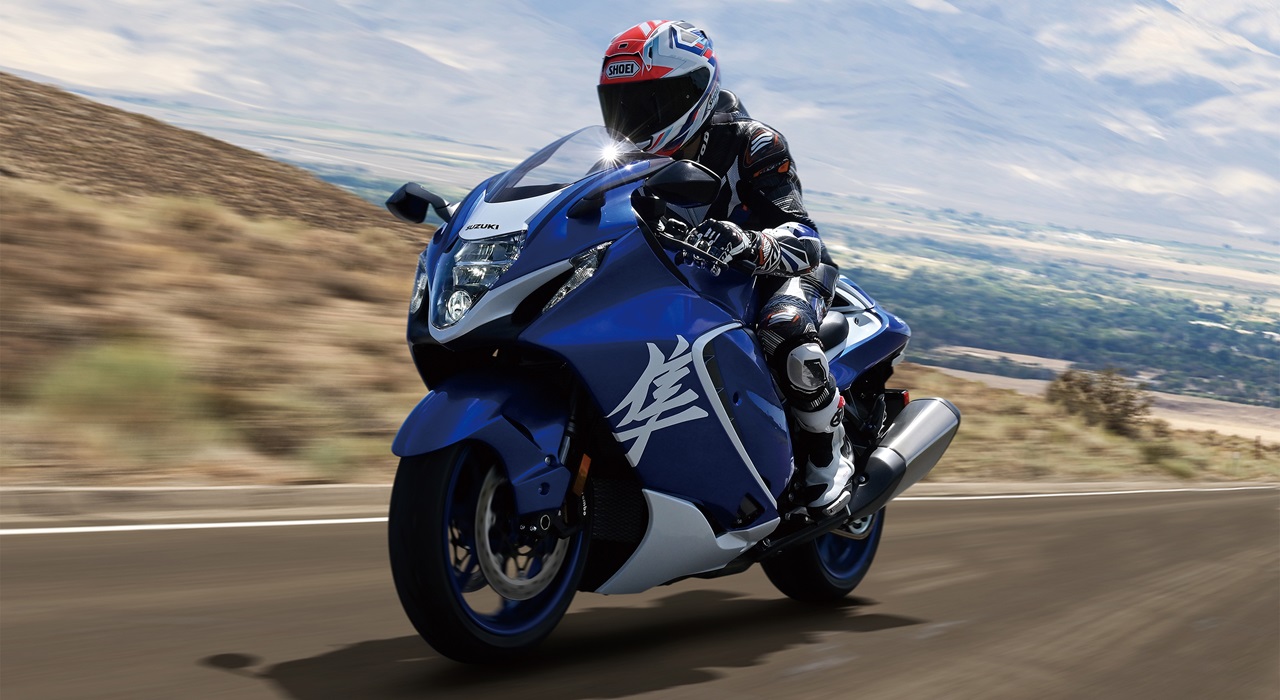
Suzuki Cycles – 2026 Hayabusa Special Edition
Handling and Ride Quality
Don’t mistake the Hayabusa for a track-only beast; it’s surprisingly versatile. Fully adjustable KYB suspension soaks up bumps, while Brembo Stylema brakes provide fierce stopping power-100-0 mph in about 140 feet. The 17-inch wheels with Bridgestone Battlax tires grip tenaciously.
In corners, the Hayabusa leans confidently, though its weight demands deliberate inputs. Riders praise the IMU-linked ABS for preventing lockups in panic stops. For daily use, it’s comfy heated grips optional, and the TFT dash displays everything from gear position to fuel range.
Unique insight: As EVs rise, the Hayabusa’s analog feel vibrations, heat reminds us why ICE bikes endure. It’s not twitchy like liter bikes; it’s a grand tourer with speed demon DNA.
Safety and Technology
Suzuki packs the 2026 Hayabusa with tech: Bi-directional quickshifter, cruise control, and five traction levels. The Motion Track Brake System corners safely, and hill hold assists starts.
Safety isn’t afterthought—LED lights, dual airbags (kidding, but wishful), and a tire pressure monitor keep you informed. Compared to bare-bones early models, this Hayabusa feels modern without overwhelming.
For Indian roads, where traffic varies, these aids shine—adaptive headlights optional, enhancing night rides.
Comparison with Competitors
Does the Hayabusa reign supreme? Let’s compare with 2026 rivals like the Kawasaki Ninja H2, Ducati Panigale V4, and BMW S1000RR.
| Feature | Hayabusa | Kawasaki Ninja H2 | Ducati Panigale V4 | BMW S1000RR |
|---|---|---|---|---|
| Engine | 1,340cc Inline-4, 190 hp | 998cc Supercharged Inline-4, 228 hp | 1,103cc V4, 214 hp | 999cc Inline-4, 205 hp |
| Top Speed (Limited) | 186 mph | 186 mph | 186 mph | 186 mph |
| 0-60 mph | 2.8 sec | 2.5 sec | 2.7 sec | 2.6 sec |
| Weight | 582 lbs | 476 lbs | 386 lbs (dry) | 434 lbs |
| Price | $19,500 | $32,500 | $24,995 | $17,995 |
| Torque | 142 Nm | 141 Nm | 124 Nm | 113 Nm |
| Fuel Economy | 35 mpg | 25 mpg | 30 mpg | 35 mpg |
The Ninja H2 edges in raw power, but the Hayabusa offers better touring comfort. Ducati’s V4 is track-focused, lighter for agility, while BMW’s electronics are top-tier. Unique take: In 2026, with electric challengers like Lightning LS-218 hitting 218 mph, the Hayabusa’s value lies in its heritage—affordable speed without supercharger complexity.

Hayabusa vs H2R Top Acceleration & Speed – MotoStatz
Pros and Cons
| Pros | Cons |
|---|---|
| Iconic design and aero efficiency | Heavier than liter bikes |
| Smooth, torquey engine | Electronically limited top speed |
| Versatile for touring and speed | Thirsty at full throttle |
| Advanced electronics suite | Premium price for casual riders |
| Legendary reliability | Less agile in tight twists |
Key Insights
Beyond specs, the 2026 Hayabusa prompts reflection. Born in 1999 to dethrone Honda’s Blackbird, it sparked the speed cap— a truce that’s held, prioritizing safety. Evolutions refined it: Gen 2 (2008) boosted displacement, Gen 3 (2021) added tech, and 2026 tweaks emissions for greener compliance without losing soul.
Personal vibe: If I were human, I’d pick the Hayabusa for its storytelling—races won, records set, like Jack Frost’s 274 mph turbo run. In EV-dominated 2026, it represents ICE’s swan song: Thrilling, accessible speed. For Uttar Pradesh riders facing monsoons or highways, its stability trumps pure velocity. Yet, is it king? In spirit, yes; objectively, shared with H2-like beasts.
Conclusion
So, is the 2026 Hayabusa still the king of speed? It reigns in balanced excellence—blending heritage, power, and tech into a package that’s hard to beat. While rivals nip at its heels, the Hayabusa’s legacy endures. For more on its evolution, check Suzuki’s official site. Or explore our internal guide to fastest bikes.